

5 Postpartum Depression Myths Debunked by Doctors | Safe and Sound
Postpartum depression is often misunderstood. This misunderstanding and stigma prevent many mothers who are frequently upset from seeking help from mental health professionals. Let's explore and clarify five common misconceptions about postpartum depression with a psychologist.
Nguyen Hoang Nguyen | Master of Science, Doctor—Institute of Psychology and Mental Health SnS
Center for Community Health and Development Research
1. Misconception: Mothers suffering from postpartum depression will often harm their babies.
Postpartum depression is a state of sadness or despair that begins a few days after giving birth and lasts for at least two weeks. Postpartum depression can range from mild to moderate to severe in just a few weeks or months. Many people believe that mothers with postpartum depression are more likely to harm their babies. This is a common misconception.
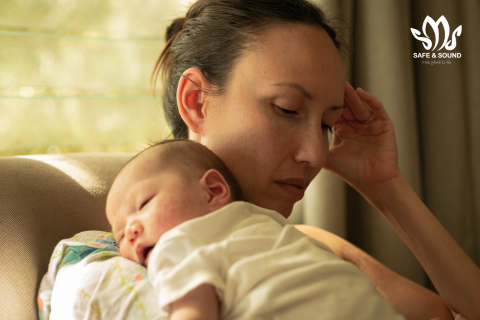
Mothers who suffer from postpartum depression still love their children.
No mother wants to harm her child, not even those suffering from postpartum depression. According to psychologists, some cases of postpartum depression may involve violent thoughts, but these are usually suicidal. Thoughts of harming the baby are often a severe manifestation of acute postpartum psychosis, not postpartum depression. In this condition, the mother becomes aggressive and exhibits behaviors that are dangerous to both the baby and herself. Acute postpartum psychosis has an incidence rate of 2.6/1000 mothers, significantly lower than postpartum depression, which has a rate of 1/10 mothers.
2. Misconception: Only mothers experience postpartum depression.
Many people often think that only mothers are at risk of postpartum depression. However, research shows that 8-10% of fathers may also experience depression after their child is born. Psychologists say that this type of depression in fathers often goes unnoticed because they rarely express emotions like sadness or loss of interest. Instead, they often manifest through behaviors such as irritability, impatience, feelings of helplessness, or avoidance of childcare responsibilities.
The causes of postpartum depression in fathers can stem from financial pressures, anxieties about fatherhood, and sudden changes in their relationship with their partner. Psychologists share that they may find it difficult to connect with their baby or feel a lack of support from family, leading to negative reactions that can last from several months to a year, especially for first-time fathers. Understanding that fathers can also be psychologically affected helps families and society gain a more comprehensive understanding of postpartum depression, providing timely support and creating conditions for them to overcome this period effectively.
3. Misconception: Postpartum depression will resolve on its own.
Postpartum depression is a mental health disorder that cannot resolve on its own and requires treatment to manage symptoms. People often assume that depression stems from a lack of strength or an inability to cope with pressure and tell them to change their mindset. For strong-willed individuals, even when sad, they can regain their balance but still need support from those around them. However, about 5% of women with postpartum depression experience symptoms lasting three years or more. Especially for new parents, anxieties and stress can last up to a year.

Women with postpartum depression need support to get through this period.
The use of therapies or medication has been shown to be effective for postpartum depression. Therefore, please contact a psychologist for advice regarding your condition.
See also: Postpartum care for mothers, how to cope with postpartum depression
4. Misconception: Only bad parents suffer from postpartum depression.
Many people think that postpartum depression means they are a "bad" parent or incapable of caring for their child. In reality, psychologists say that postpartum depression is a common mental health condition and is not related to parenting qualities or abilities. It is a result of the dramatic hormonal changes after childbirth. After giving birth, female sex hormones, especially estrogen and progesterone, drop sharply, creating an imbalance in the body. This can cause feelings of sadness, anxiety, and depression and is not due to a lack of knowledge or skills in childcare.

Furthermore, psychologists share that environmental and psychological factors such as parenting pressure, social expectations, or lack of family support also contribute to an increased risk of postpartum depression. According to a 2015 study, postpartum depression is a combination of intrinsic (genetic, hormonal) and extrinsic (social pressure, family circumstances) factors that no one can completely control. Psychologists state that this means even parents with good parenting knowledge can experience postpartum depression if they encounter factors such as lack of sleep, fatigue, or stress.
5. Misconception: We'll know immediately when someone has postpartum depression.
A common misconception is that postpartum depression is easy to recognize immediately. However, most mothers lack mental health expertise, making it difficult for them to self-identify the signs of depression. Furthermore, in the early postpartum period, mothers often restrict their diet and self-care, which can easily lead to isolation. According to psychologists, family and loved ones may also not easily recognize these unusual changes because symptoms such as fatigue, sadness, or anxiety can be mistaken for the natural stress of motherhood.
Furthermore, postpartum depression doesn't always appear immediately but can develop gradually. Signs such as feelings of emptiness, loss of interest in previously enjoyed activities, and persistent sadness are often overlooked in the early stages. Psychologists emphasize that if left undetected, this condition can become increasingly severe, affecting both the mother's mental and physical health.
If you are constantly overwhelmed by feelings of fatigue, sadness, boredom, and lack of interest, seek advice and treatment for depression from a psychologist or mental health professional.
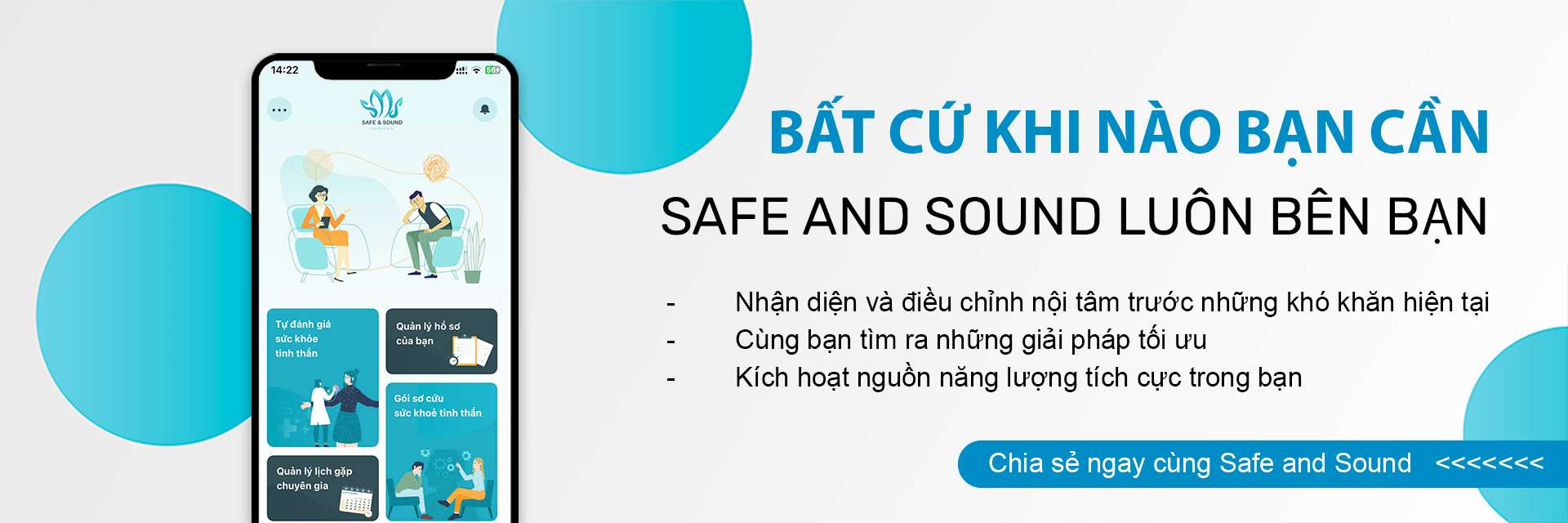
With the collaboration of psychiatrists and psychologists and the application of technology in mental health care, Safe and Sound counseling/consultation service proudly pioneers in supporting you with "early self-detection, immediate emotional first aid, and long-term support."
If you suspect you have a mental health problem or would like more information about our counseling services, please contact our HOTLINE at 0964 778 911 (Phone/Zalo, 24/7) for prompt assistance and answers!
HOW TO SCHEDULE AN APPOINTMENT for an online or in-person consultation with a specialist.
- On the SNS Psychologist Fanpage
- Alternatively, download and schedule a consultation on the Safe and Sound app to manage and track your appointments anytime, anywhere.
Safe and Sound is part of the Institute of Applied Medical Technology (IMT).

See more
Depression screening – When is hospitalization necessary?
Listening to your child with a psychologist: Understanding adolescent depression
